the benefits of analog in an all digital world
By Steven Stromer, Jan 14, 2025
It has been a full thirty years since the final throes of the portable cassette player, twenty years since the prime of the portable CD, already over fifteen years since file-sharing came and went, and as many years since digital music subscription services rose to become our musical overlords. So, why would anyone consider reaching for a cassette player in 2025? It may not seem logical, but here's one take on why the cassette tape is the format most primed for a comeback.
vinyl has paved the way
Vinyl records have been flying off the shelves for years, from record shops that continue to pop up, to big box stores dedicating entire aisles to the nearly one-hundred-and-forty year old music storage and playback format.
Vinyl offers unique sounds: it pops, it scratches. Vinyl is not only a tangible medium; it is a delicate medium, where we instinctively know to handle it only by its edges, and where watching the needle ride a record evokes the death-defying sense of riding a carnival roller coaster. It isn't supposed to do so, but it feels like the needle could fly off the tracks at any moment.
Vinyl offers pictures, and cardboard, and fingertip-tingling grooves, where the music hides in the open: we can feel the ridges, but not translate their contents. When one really thinks about it, how does digital compete with something so delicate, sensuous and playful?
so, why not stick with vinyl?
The problem here is that vinyl knows its value. It is unique, boutique, and more than a little bit elitist. It demands a excessive amount of space, and is only being treated properly when played in a large room, through a large amplifier, and even larger speakers. Record players require frequent adjustment and maintenance, replacement of expensive styluses, cartridges and belts. Forget about owning a dog; maintaining a record player is a closer parallel to raising a kid.
There's more. Vinyl is not portable; in fact, it's barely movable. Album sleeves are made from cardboard, leaving them succeptable to rodents, mold and rot, water damage, and wear from simply being used. Record collections invite dust. A scratch across a record destroys the entire album side.
Don't be disheartened. The cassette tape is coming to the rescue, and, in many ways it's the partner that you know in your heart is a really good fit, after all the partners who weren't (side note: it can seem frightening, but don't let the opportunity pass you by).
why cassettes?
So many reasons. They're small enough to drop into your bag and large enough to make a big statement wherever you choose to listen: on the train, in the coffee shop, at the laundromat.
They come wrapped in liner notes, often filled with pictures, love notes from their creators, background to the album, or lyrics to sing along with. Liners are almost always accompanied by unique scents (some specific enough to become indelibly paired with the music), and once in a rare and fortuitous collector's moment, a liner will unfold to reveal a signature or handwritten note that wasn't part of the original printing.
When playing a cassette, it's just enough work to fast forward, to rewind, to flip sides, that it becomes just inconvenient enough that we acquiesce, and settle in, to listen to the songs in the order, and at the pace, that the artist intended.
the joy of collecting cassettes
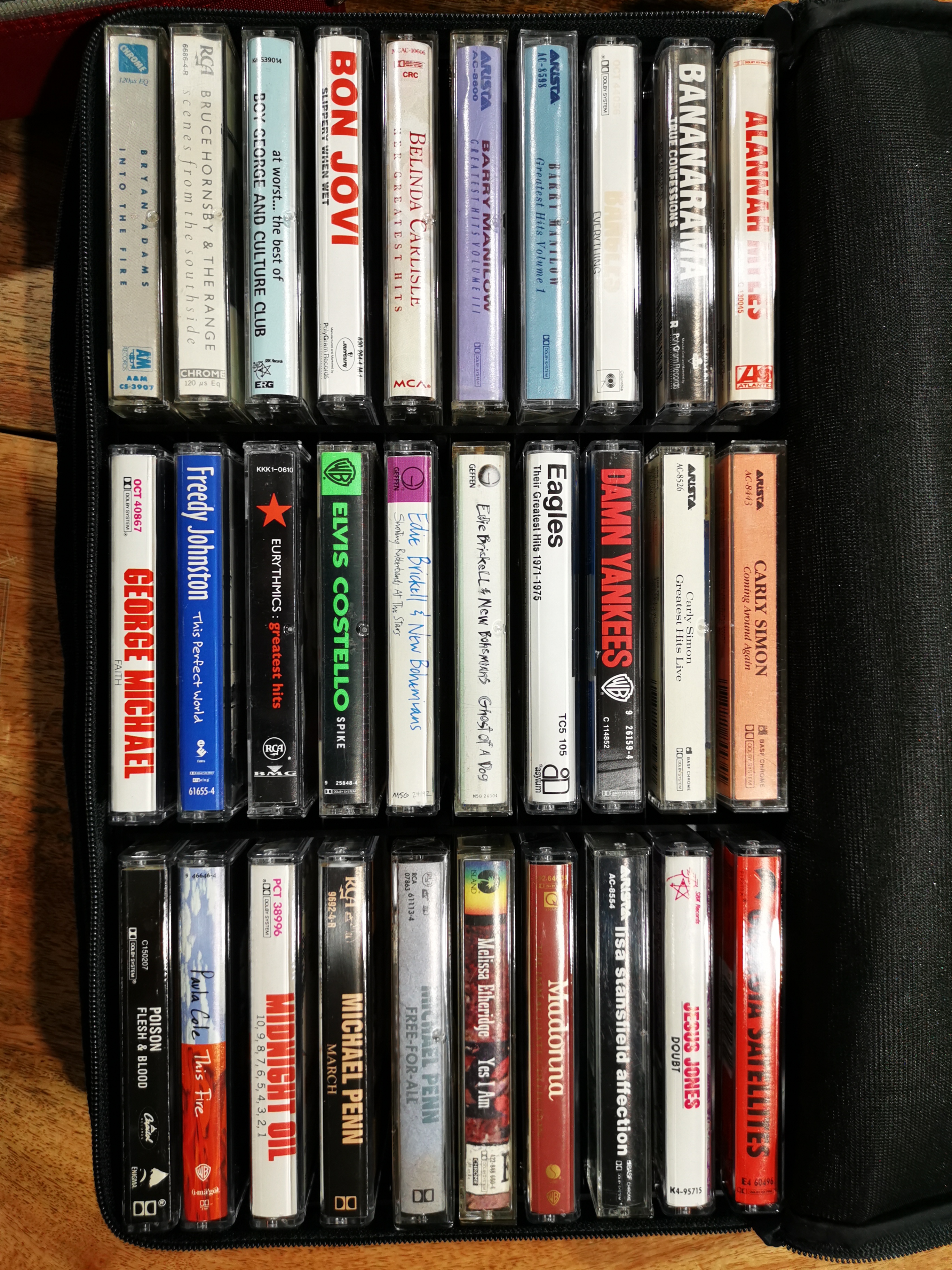
Stickers. Playing cards. Stuffed animals. For decades, collecting has been a key part of American childhood. It has never been about collecting large items, but small ones. The pleasure has been in filling the collection, organizing the contents, rifling through them, and associating memories with the addition of each item.
This small-scale form of monopoly-building is what feeds the growing nostalgia trend among adults to re-collect their childhood memorabilia, often decades after their own parents discarded their collections, and, for some, with the hope that their own children will appreciate being bequeathed the fruits of their labors. To this day, one of my own most prized possessions is the space exploration memorabilia collection my father built over decades, and then gifted to me. I can reach through time, and feel his labor of love in each page.
Building a cassette tape collection feels just this way. Behind the organized rows of band names and album titles is the music of each stage of our lives. If you've ever felt the strength of a song pull you to another time and place, try experiencing this with a cassette tape. No streaming music service can compete for this feeling. It's the same reason behind why digital point-and-shoot and thirty-five millimeter film cameras, vintage clothing and 80s music are all currently so pog.
how do i get my hands on a compact cassette player?
Locating a compact cassette player in good visual condition isn't particularly hard or necessarily expensive. The real challenge is locating one that still functions as intended. While the majority of the parts used in building portable cassette players have gracefully stood the test of time, there are a few parts that have consistently failed to survive the decades.
Rubberized drive belts and capstains are almost universally past the point of usability. Many machines were left with batteries installed, with their acid contents having long since leaked into their battery compartments. In older units, capacitors have leaked, while in more modern units from the 90s, supercapicitors that once kept time and radio station presets stored have stopped recharging. Even the cassette tapes themselves sometimes require repair, with tape occasionally disconnecting from the internal reels, guide rollers becoming stuck, and pressure pads drying out.
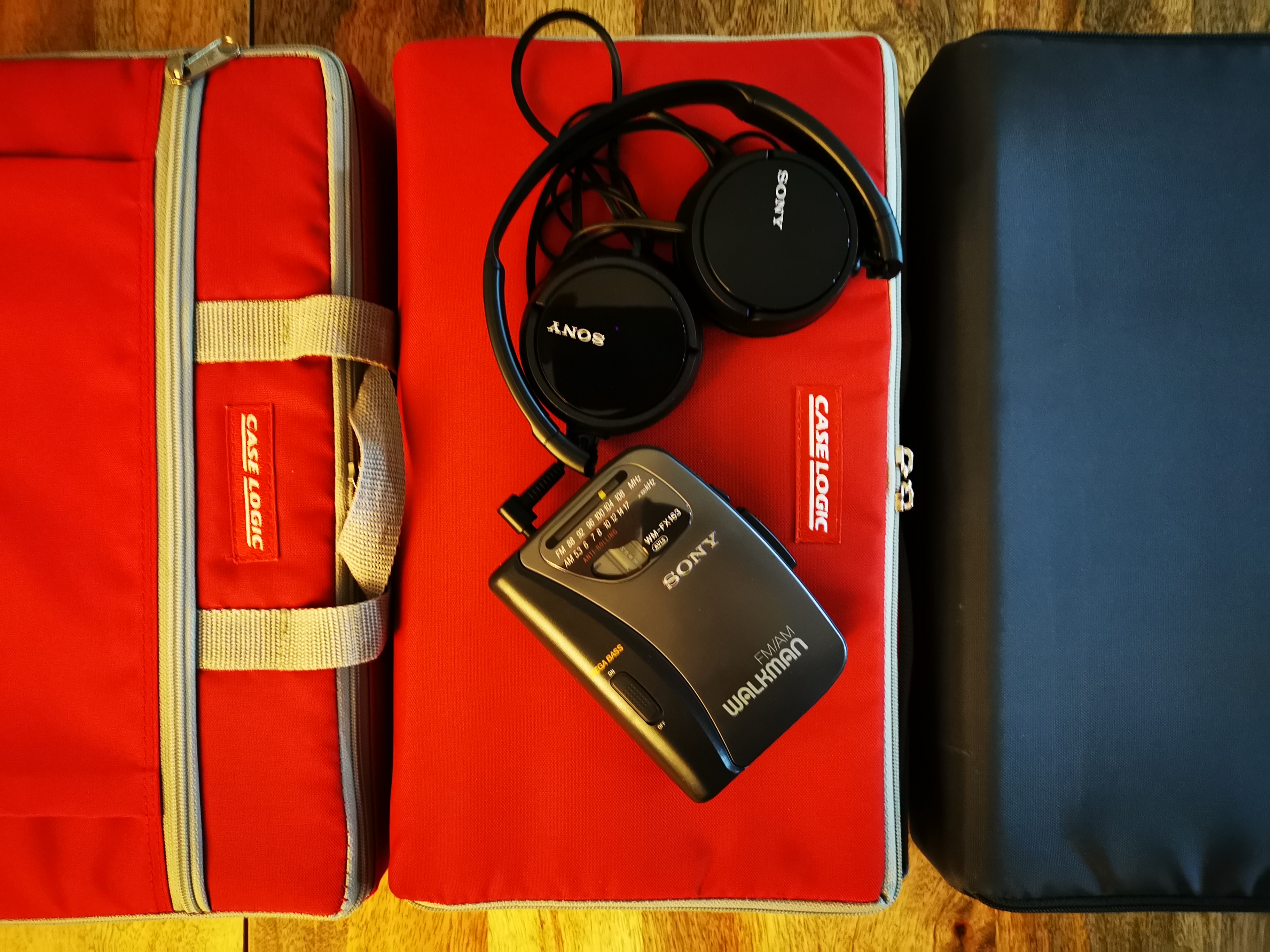
There are a couple of manufacturers selling reproduction 'vintage' portable cassette players at the moment. The average price points, available images and posted reviews of these models hint toward a more genuine experience to be enjoyed through locating and owning a properly restored, vintage Sony, Aiwa, Panasonic or JVC player. That's just one opinion, and I'd welcome hearing from owners of reproduction models about their experiences.
Finally, I've had great success bringing the cassette players I've worked on sparking back to life, and playing like new. I intend to document these restorations here, and will soon post a few for sale, as well. If you'd be interested in purchasing a restored portable or home hi-fi deck, let me know, and I'll try my best to accommodate!
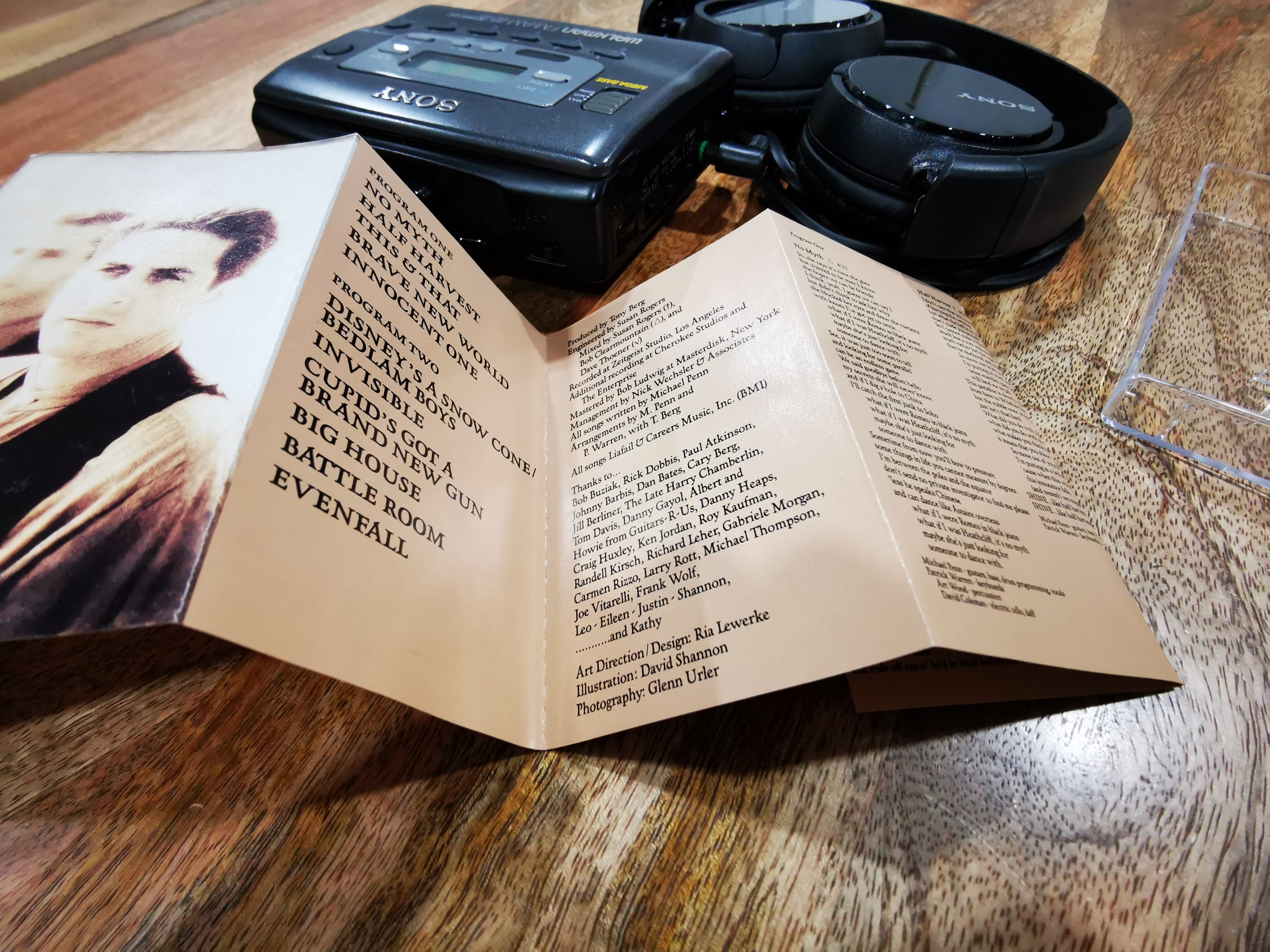
Liner notes are often filled with pictures, love notes from their creators, background to the album, or lyrics to sing along with.
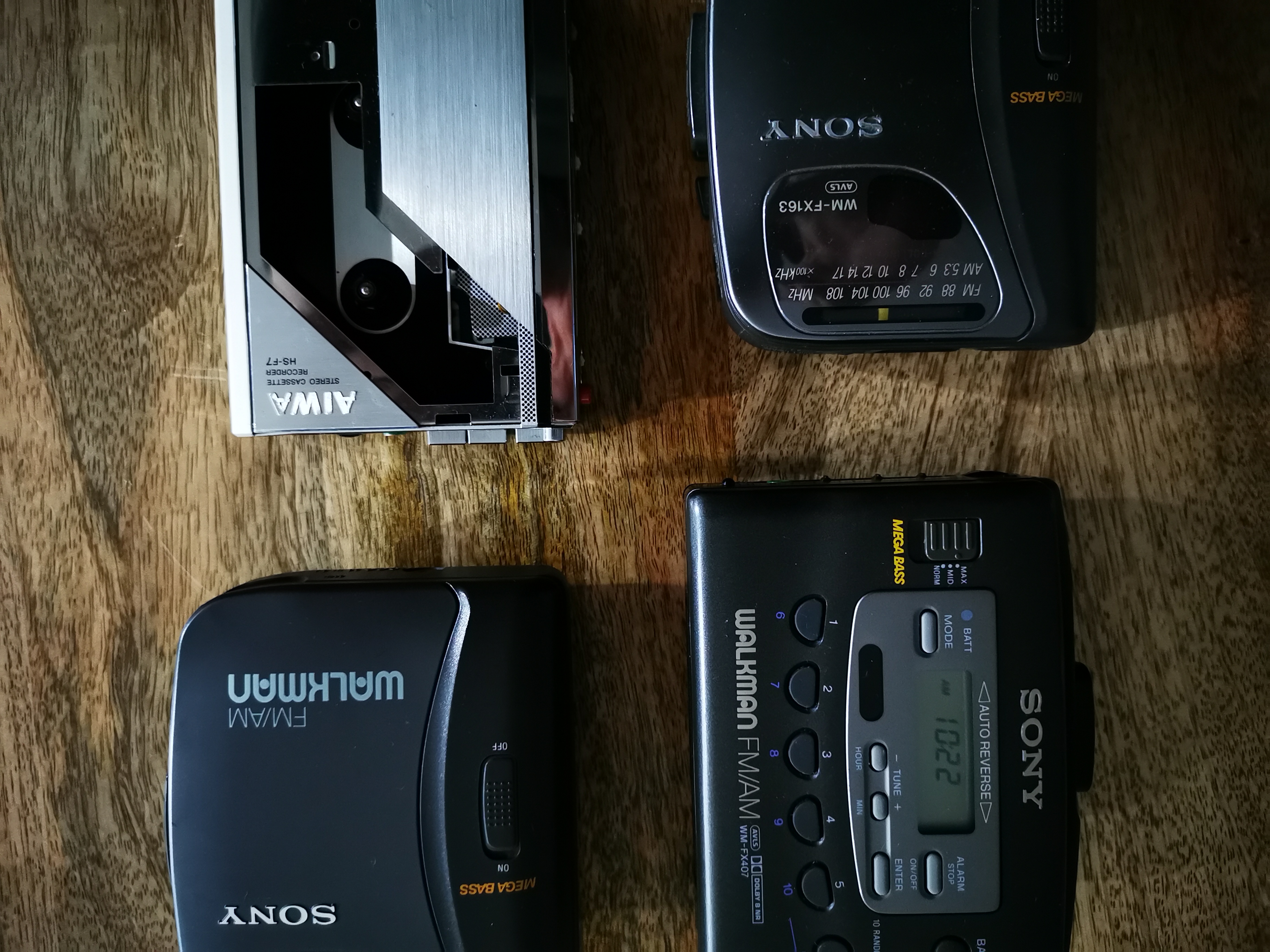
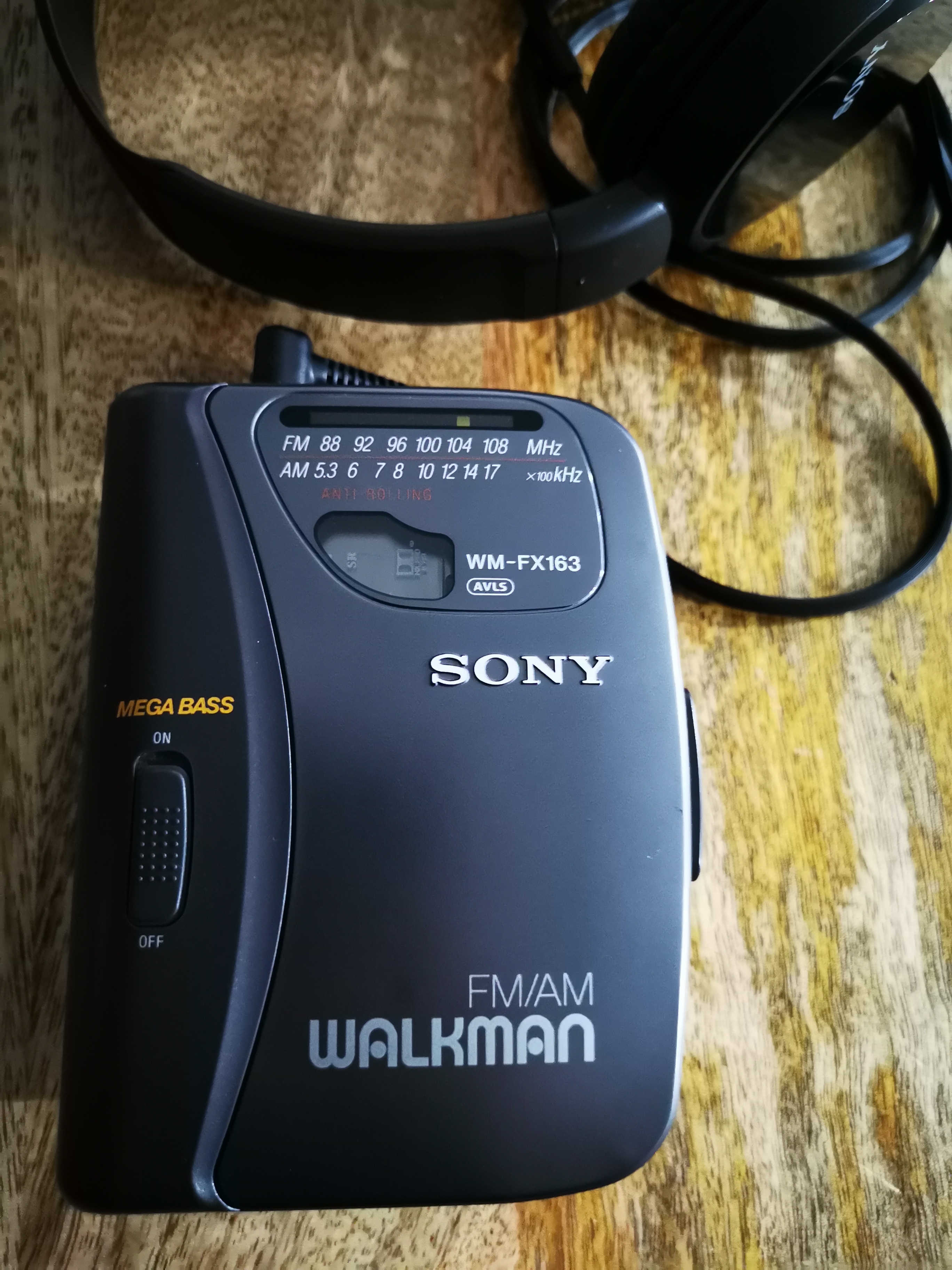
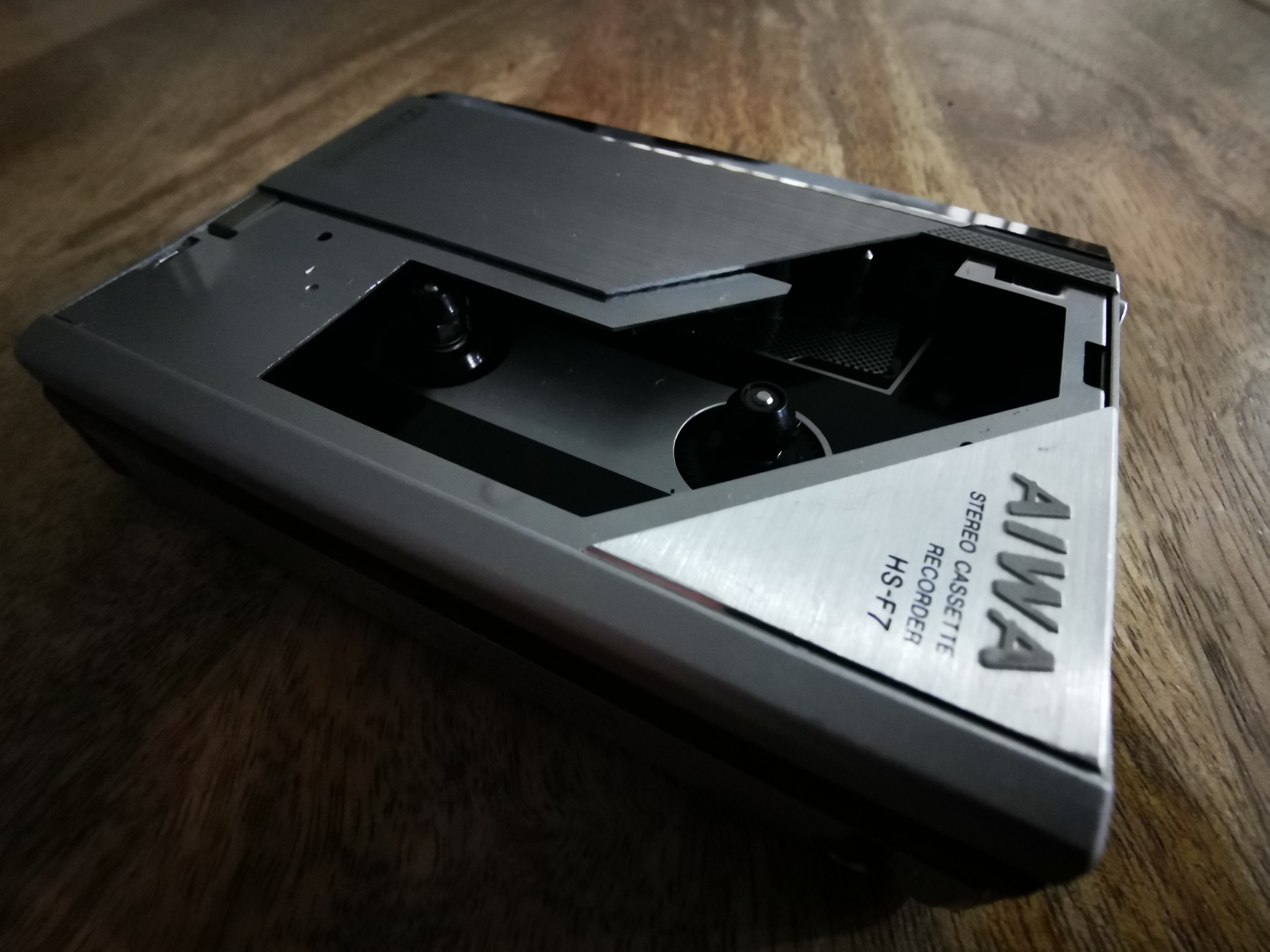
The cassette player model used by Michael J. Fox's character, Marty McFly, in the movie Back to the Future. This unit is currently in the process of being restored. Courtesy Michael Stromer.